Get Livestock Fencing Installation in El Paso County, CO
Livestock fencing installation services for El Paso County, CO, and nearby areas help property owners secure animals, prevent escapes, and define boundaries with durable, custom fencing solutions.
Livestock fencing installation services are essential for property owners in El Paso County, CO seeking to create secure and functional boundaries for their land. Proper fencing helps prevent animals from wandering off, protects livestock from potential predators, and defines property lines clearly. Durable fencing solutions can withstand the local weather conditions, reducing the need for frequent repairs and maintenance, which is especially important for those managing larger properties or multiple animals.
In addition to practical safety and security benefits, livestock fencing can enhance the overall appearance of a property, boosting curb appeal and providing a tidy, well-maintained look. Well-installed fencing options are designed to be long-lasting and low-maintenance, offering peace of mind and allowing property owners to focus on other aspects of land management. Connecting with experienced local contractors can ensure the installation meets specific needs for durability, safety, and aesthetic appeal.
- Pasture fencing - needed when enclosing grazing areas for livestock in rural or agricultural settings.
- Property boundary fencing - required to define property lines and prevent livestock from wandering onto neighboring properties.
- Erosion control fencing - used in areas prone to soil erosion to contain livestock and protect land stability.
- Corral and pen fencing - essential for managing livestock during handling, feeding, or medical care.
- Ranch fencing - necessary for larger property enclosures to keep livestock secure across extensive ranch lands.
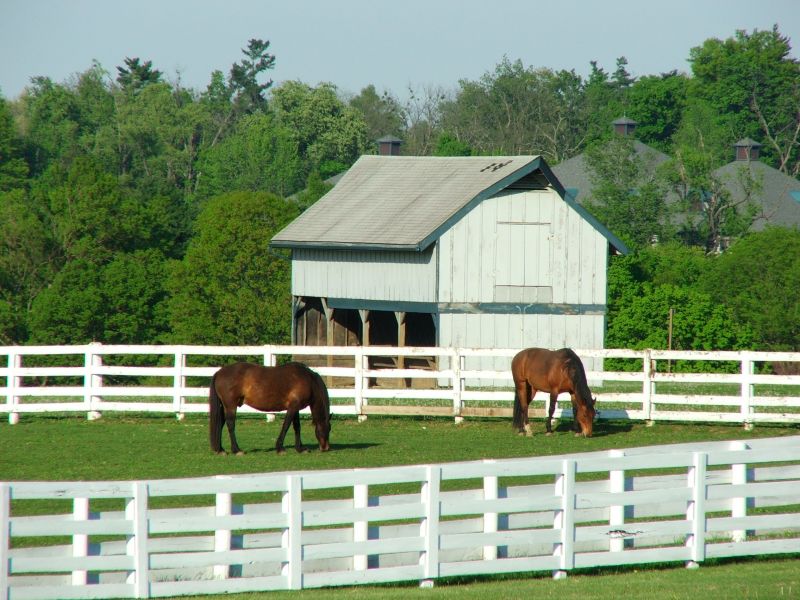
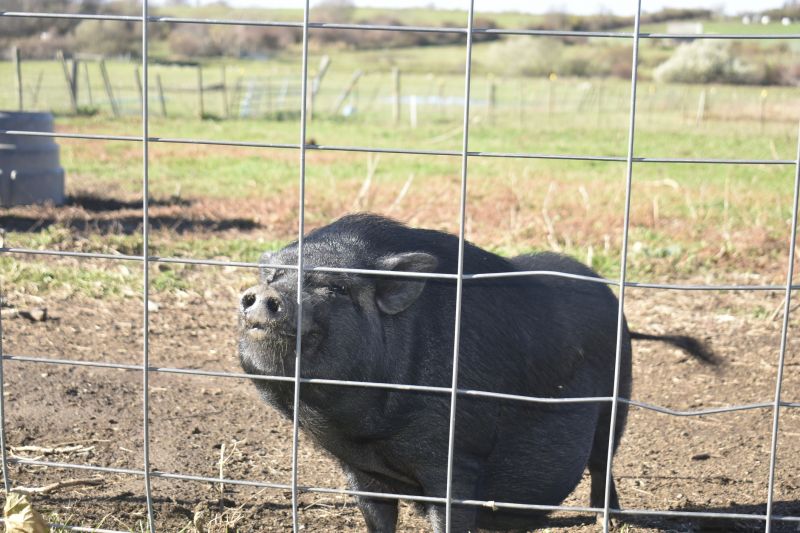
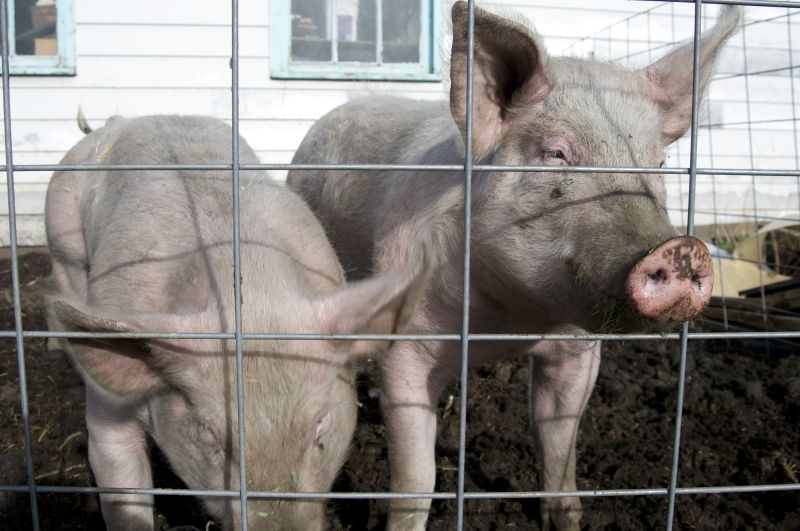
Livestock fencing installation services involve the setup of barriers designed to contain farm animals such as cattle, horses, sheep, and goats. These services typically include assessing the property layout, selecting appropriate fencing materials, and installing the fencing system to ensure durability and security. The process may involve digging post holes, attaching fencing panels or wires, and securing gates to allow for access and management of livestock. Proper installation aims to create a reliable boundary that prevents animals from wandering off or escaping, contributing to the safety and efficiency of farm operations.
One of the primary issues livestock fencing helps address is the prevention of animals wandering into unsafe areas or onto neighboring properties. It also reduces the risk of animals escaping, which can lead to loss, damage, or safety hazards. Additionally, well-installed fencing can minimize the need for constant supervision, allowing farm owners and managers to focus on other aspects of property management. By establishing clear boundaries, livestock fencing services help improve overall farm security and animal management, contributing to a more organized and controlled environment.
Properties that typically utilize livestock fencing include farms, ranches, and rural homesteads where raising animals is a significant activity. These properties often require fencing that can withstand outdoor conditions and the physical activity of livestock. Larger parcels of land, especially those used for grazing or rotational grazing systems, benefit from durable fencing options that can cover extensive areas. Even some smaller properties or hobby farms may seek livestock fencing solutions to better manage and contain their animals, ensuring safety and compliance with local regulations.
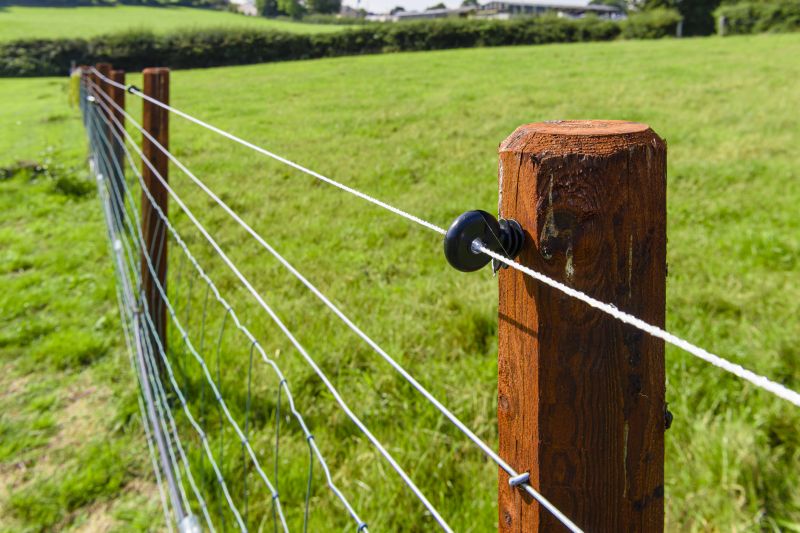
Various types of fencing materials and designs are available through local service providers, tailored to meet specific needs and property conditions. Common options include wood, wire, vinyl, and electric fencing, each offering different advantages in terms of durability, visibility, and ease of maintenance. The choice of fencing often depends on the type of livestock, property size, and environmental factors. Professional installation ensures that the fencing is properly anchored and tensioned, minimizing future repairs and maintaining the integrity of the boundary over time.
The overview below groups typical Livestock Fencing Installation projects into broad ranges so you can see how smaller, mid-sized, and larger jobs often compare in El Paso County, CO.
In many markets, a large share of routine jobs stays in the lower and middle ranges, while only a smaller percentage of projects moves into the highest bands when the work is more complex or site conditions are harder than average.
Perimeter Fencing Costs - Installing livestock fencing along property boundaries typically ranges from $1,500 to $4,500, depending on length and material choices. For example, a 1,000-foot fence might cost around $2,500 with standard materials. Costs vary based on terrain and accessibility.
Material Expenses - The type of fencing material influences overall costs significantly. Wire fencing may start at around $1.20 per foot, while more durable wood or vinyl options can range from $10 to $25 per foot. Material selection impacts both initial investment and longevity.
Labor and Installation - Labor costs for livestock fencing installation generally range from $5 to $15 per foot. Factors such as terrain complexity and fence height can affect labor expenses. Local pros provide estimates based on project scope.
Additional Costs - Expenses for gates, hardware, and permits may add $200 to $1,000 or more to the total project. Custom features or repairs can also influence the overall cost, depending on specific property needs. Contact local providers for detailed quotes.
Actual totals will depend on details like access to the work area, the scope of the project, and the materials selected, so use these as general starting points rather than exact figures.
Farm Animal Enclosure Fencing - Local contractors provide fencing solutions to securely contain livestock such as cattle, horses, and sheep, ensuring safety and proper management on farms and ranches.
Pasture and Grazing Fencing - Service providers install fencing systems that define grazing areas, helping landowners manage pasture rotation and prevent livestock from wandering.
Barbed Wire Fencing - Contractors offer barbed wire fencing installation for durable and cost-effective livestock containment, suitable for large rural properties.
Electric Livestock Fencing - Local pros set up electric fencing systems designed to keep animals within designated areas while minimizing physical barriers.
Ranch Fencing Replacement - Service providers assist with upgrading or replacing aging fencing structures to improve security and longevity for livestock enclosures.
Custom Fencing Solutions - Contractors tailor fencing designs to meet specific livestock needs, property layouts, and aesthetic preferences for rural and agricultural properties.
When selecting a professional for livestock fencing installation, it is important to consider their experience in the field. Homeowners should inquire about the number of years a contractor has been working with livestock fencing and whether they have specialized knowledge of different fencing materials and designs suitable for agricultural needs. A contractor with a proven track record in livestock fencing is more likely to understand the specific requirements of rural and farm environments, helping to ensure the project meets functional and durability expectations.
Clear communication of written expectations is essential when working with local fencing contractors. Homeowners should seek professionals who provide detailed project descriptions, including the scope of work, materials to be used, and any relevant project guidelines. Having a transparent understanding of what will be done helps prevent misunderstandings and ensures that both parties are aligned on the project’s goals. It is also advisable to confirm that the contractor is willing to provide written estimates or proposals that outline the work plan and any relevant terms.
Reputable references and reliable communication are key indicators of a trustworthy livestock fencing installation service. Homeowners are encouraged to ask for references from previous clients to gain insights into the contractor’s workmanship and professionalism. Additionally, responsive and clear communication during initial interactions can reflect the contractor’s commitment to customer service. Establishing a contractor with a solid reputation and open lines of communication can contribute to a smoother project experience and a final result that aligns with expectations.
Property owners in El Paso County, CO use Livestock Fencing Installation services for practical projects around their homes and businesses. The sections below highlight everyday jobs and straightforward project options.
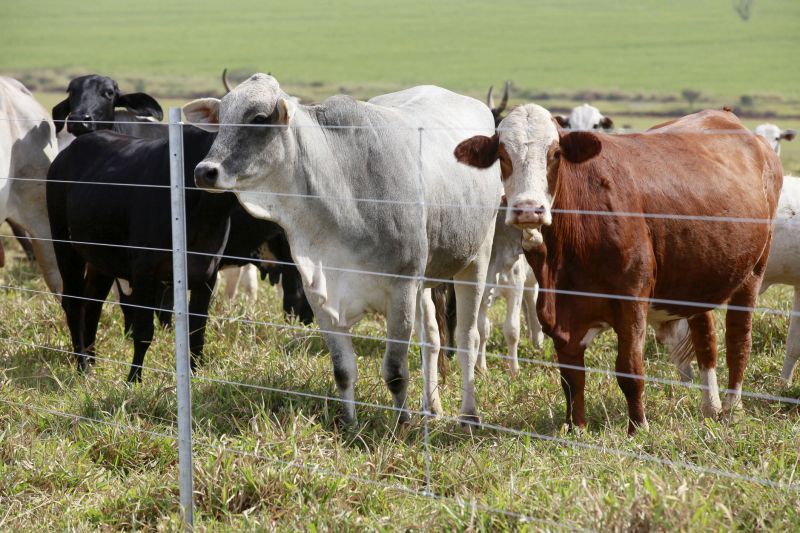
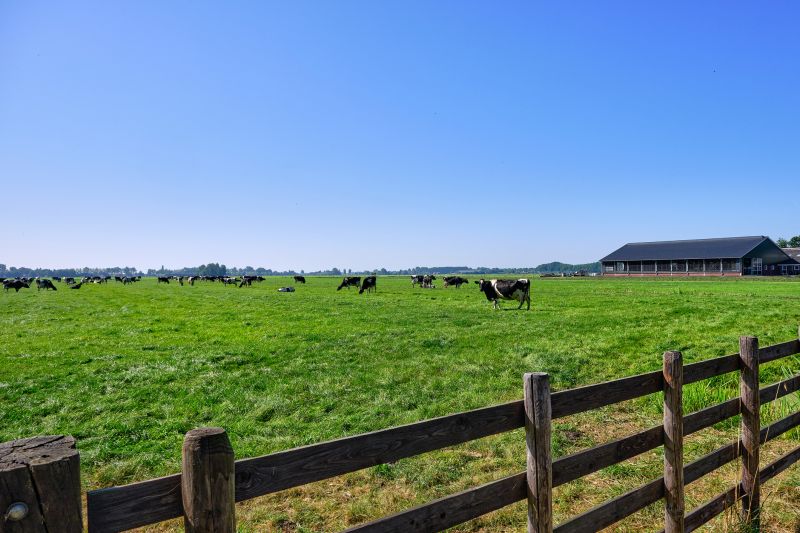
Livestock fencing installation services are commonly sought by property owners in El Paso County, CO, who want to secure their land for animals such as cattle, horses, or goats. Whether establishing a new perimeter or replacing an aging fence, residents often look for reliable local contractors to help create a safe and contained environment for their livestock. Proper fencing not only prevents animals from wandering off but also helps maintain property boundaries and reduces the risk of unwanted visitors or predators.
In addition to livestock containment, property owners may request fencing services for purposes like protecting gardens, creating designated grazing areas, or enhancing privacy around rural properties. Local fencing professionals can assist with various materials, such as wood, wire, or vinyl, to suit specific needs and property layouts. Contacting experienced providers ensures that fences are installed efficiently and effectively, supporting the ongoing management and security of rural and semi-rural properties in the area.
What types of fencing are suitable for livestock? Local fencing professionals can recommend various options such as wire, wood, or electric fences, tailored to specific livestock needs and property conditions.
How long does livestock fencing installation typically take? The duration depends on the size and complexity of the project, with local contractors providing estimates based on individual site requirements.
What factors influence the cost of livestock fencing installation? Costs are affected by the fencing material, project size, terrain, and any additional features or customization requested by property owners.
Are there any regulations or permits needed for livestock fencing? Regulations vary by location; local fencing service providers can advise on any necessary permits or compliance requirements in El Paso County and nearby areas.
How should I maintain my livestock fencing after installation? Maintenance tips can be provided by local pros to ensure the fencing remains effective and durable over time, including inspections and repairs as needed.
Fencing Material Options
- Explore various fencing materials such as wood, wire, and vinyl to find the best choice for livestock enclosures. Local service providers can assist in selecting durable options suited to specific needs.Custom Fence Design
- Professionals can create tailored fencing solutions that accommodate the size and type of livestock, ensuring secure and functional enclosures.Installation Services
- Experienced contractors offer expert installation of livestock fences to ensure stability and longevity.Fence Repair & Maintenance
- Local pros can provide repair and maintenance services to keep livestock fencing in optimal condition over time.
Considering Livestock Fencing Installation for a property in El Paso County, CO? The sections above highlight common project types, practical options, and details that often shape the scope of work.
When you are ready, use the quote form to share a few details about your project. Local pros can review the basics and respond with options that match what you have in mind.